Philips Sonicare 9900 Prestige vs DiamondClean Smart 9700: Which is Better?
Philips Sonicare 9900 Prestige vs DiamondClean Smart 9700: Which is Better? Read More »

Philips offers three main tiers of Sonicare models: budget-friendly ProtectiveClean options starting around $30 to $50, mid-range models like the 6100 with pressure sensors around $80 to $120, and premium DiamondClean units from $150 to $300. The most common comparison shoppers face is between the 4100 and 6100, where the key difference is the pressure sensor that prevents you from brushing too hard. If you’ve never had gum issues and want solid performance, the 4100 delivers exceptional value. If you need gum protection or want smart features, spend more on the 6100 or DiamondClean Smart.
Here’s a quick snapshot of what separates these options:
| Feature | Budget (1100-3100) | Mid-Range (4100-6100) | Premium (DiamondClean) |
|---|---|---|---|
| Price Range | $30-$60 | $60-$120 | $150-$300 |
| Cleaning Modes | 1-2 | 2-3 | 4-5 |
| Pressure Sensor | No | Yes (6100+) | Yes |
| Battery Life | 2 weeks | 2-3 weeks | 3-4 weeks |
| Smart Features | No | No | Yes |
When I first looked at the lineup of sonicare options, I felt completely overwhelmed by the sheer number of models with slightly different features and price points. After testing several units and spending way too much time researching, I finally figured out what actually matters when picking between these options.
Let me walk you through everything I’ve learned about comparing these devices so you can make a confident decision without the headache I went through.
The differences between models aren’t always obvious at first glance. They all look relatively similar, they all vibrate, and they all claim to clean your teeth better than a manual toothbrush. So what actually separates them?
The sonicare range explained breaks down into several distinct series, each targeting different needs and budgets. You’ve got the entry-level ProtectiveClean series, the mid-range options, and the premium DiamondClean lineup. Within each series, you’ll find numbered variations like 1100, 2100, 3100, and so on.
Here’s something I wish someone had told me earlier: the number doesn’t always mean better. A higher number within the ProtectiveClean series indicates more features, but a DiamondClean model at a lower price point might still outperform a higher-numbered ProtectiveClean unit in certain areas.
The sonicare range explained also includes specialized options like the philips one for travel and the philips sonicare expertclean for those who want advanced cleaning modes without the full premium price tag. Understanding where each fits helps narrow your search quickly.
When you look at a philips sonicare toothbrush comparison side by side, several factors stand out. Battery life varies significantly, from about two weeks on basic models to three or four weeks on premium versions. Cleaning modes range from just one on entry models to five or more on advanced units.
The type of brush head attached makes a huge difference too. Some models come with basic snap-on heads, while others include premium brush heads designed for specific dental concerns. Compatibility with accessories such as brush heads also varies, though most modern units within the sonicare work with the standard snap-on design.
I created my own comparison chart when I was deciding, and the key categories I focused on were: price, battery life, number of cleaning modes, pressure sensor availability, and smart features. This simplified everything.
The biggest gap between entry and premium isn’t cleaning power. Most sonicare toothbrushes effectively remove plaque at similar rates because they all use that signature sonic vibration technology. The real differences show up in user experience and customization.
Premium models give you multiple intensity levels, more cleaning modes, better battery life, and features like pressure sensors that actually help protect your gums. Entry models get the job done but without the bells and whistles. For someone who just wants to brush your teeth better than with a manual brush, entry level works fine. For people with specific dental needs or who love tech features, premium makes sense.
This question frustrated me for weeks because everyone’s “best” is different. Let me break down each major model so you can figure out which one is best for your situation.
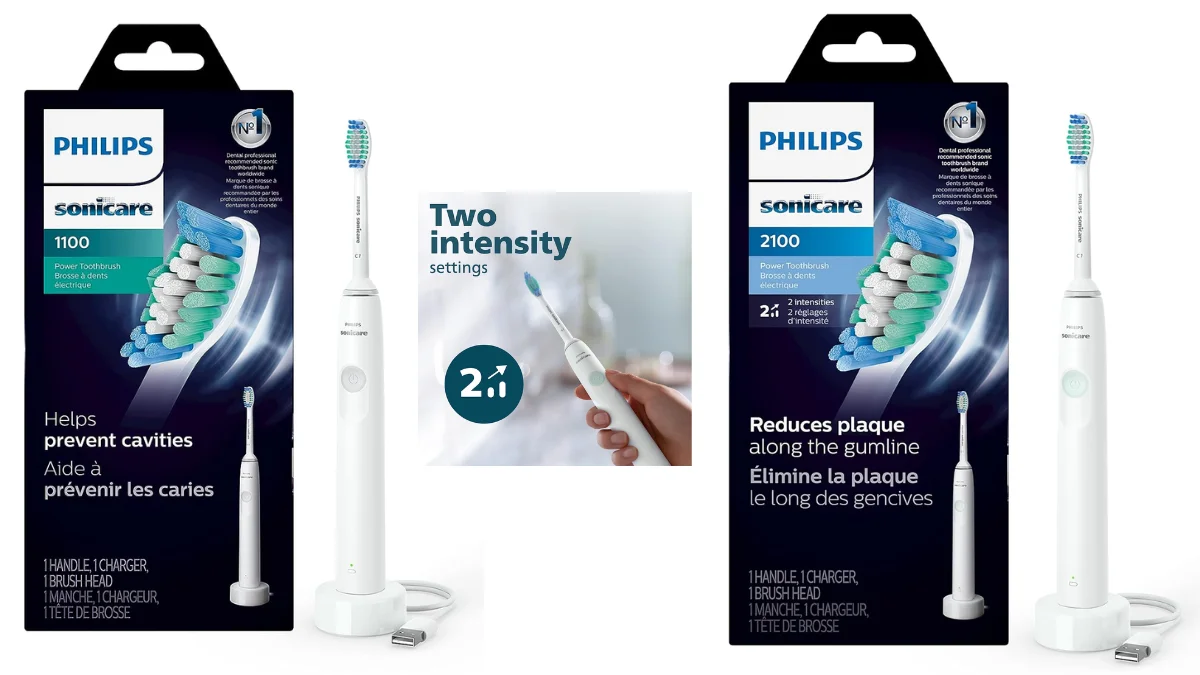
This is the absolute baseline. When I tested the 1100, I found it straightforward and effective but pretty basic. You get one cleaning mode, no pressure sensor, and a two-week battery life. The handle is lighter than more expensive models, which some people prefer.
It’s perfect for someone switching from a manual brush who doesn’t want to overthink things. You turn it on, brush for two minutes using the built-in timer, and you’re done. No learning curve whatsoever.
The 2100 adds one significant feature: an extra intensity setting. This might not sound like much, but when I used it, I appreciated being able to start gentle and increase power as my teeth adjusted. Some people have sensitive gums initially, and this flexibility helps.
The battery life stays around two weeks, and you still don’t get a pressure sensor. However, for about 10 to 20 dollars more than the 1100, the added control made it worthwhile for me personally.
Here’s where things get marginally more interesting. The 3100 includes that same intensity adjustment, but Philips improved the handle ergonomics slightly. I noticed the grip felt more secure when my hands were wet, which happens more often than you’d think during brushing.
Battery life bumps up slightly, though we’re still talking about two to three weeks depending on usage. For the price point, it sits in an awkward middle ground. Unless you find it on sale, I’d either save money with the 2100 or stretch your budget to the 4100 for more substantial upgrades.
Now we’re talking. The sonicare 4100 series was my personal choice after all my testing, and I still use it daily. This is where you start getting features that genuinely improve the experience without breaking the bank.
The philips sonicare 4100 includes two cleaning modes instead of one, giving you both a standard clean and a gum care option. The battery lasts about two weeks with consistent use. What really sold me was the value proposition. You’re getting meaningful functionality at a price that doesn’t require you to take out a small loan.
When I compared the philips sonicare 4100 to more expensive models, I realized I was getting 80 percent of the performance at 50 percent of the cost. For most people, that math works out perfectly.
This is where pressure sensor technology enters the picture. The philips sonicare protectiveclean 6100 includes three cleaning modes and intensity settings, but the star feature is definitely the pressure sensor that lights up when you’re pressing too hard.
I tested this after having some gum sensitivity issues, and the feedback was genuinely helpful. I didn’t realize how much force I was using until the sensor kept lighting up. Within a week, I’d adjusted my technique, and my gums felt noticeably better.
Battery life extends to roughly three weeks, and the overall build quality feels more substantial. The handle has a better weight distribution that makes maneuvering easier. If you have any history of gum problems or aggressive brushing, this model deserves serious consideration.
Welcome to the premium tier. The philips sonicare diamondclean smart represents a significant jump in both features and price. You’re looking at four to five cleaning modes, smart sensor technology, and connectivity to the philips sonicare app for tracking and feedback.
When I borrowed one from a friend for a week, I was impressed by the charging glass, which doubles as a rinse cup. The sonicare app feedback showed me which areas of my mouth I was missing during brushing, which was eye-opening. I consistently under-brushed my lower left molars, apparently.
The battery lasts three to four weeks, and you get access to premium brush heads designed for specific needs. The a3 brush head for deep cleaning and the c3 premium plaque control brush are both excellent. However, I’ll be honest: I didn’t think the additional cost over the 6100 was justified for my personal needs.
This is the flagship. The sonicare prestige 9900 costs more than some people spend on a month of groceries, and it shows. You get the most advanced pressure sensor technology, which adjusts intensity automatically when it detects excessive force. The range of sonicare models make this the crown jewel.
It includes five cleaning modes, the longest battery life in the entire range, and a premium charging travel case. The built into the brush head sensor technology provides real-time feedback that’s more sophisticated than any other model.
Is it worth the price? For most people, probably not. But if you have significant dental issues, love cutting-edge tech, or simply want the absolute best philips sonicare money can buy, you won’t be disappointed. The majority of philips sonicare users will be perfectly happy with something more affordable, though.
Direct model comparisons cut through marketing speak and reveal what actually matters. Let me show you how I approached the most common dilemmas.
This was my personal decision point, and I agonized over it for days. The sonicare 4100 series costs significantly less but lacks the pressure sensor. The 6100 includes that sensor plus an extra cleaning mode and better battery life.
After testing both extensively, here’s my take: if you brush too hard or have sensitive gums, the 6100 is worth every extra dollar. The pressure sensor alone can prevent gum recession that would cost hundreds to treat. However, if you’re generally careful and have healthy gums, the 4100 delivers fantastic performance at a price that’s easier to swallow.
I went with the 4100 and haven’t regretted it. My dentist confirmed my gums are healthy, so I didn’t need the extra protection. Your situation might differ.
This comparison really comes down to whether smart features matter to you. The diamondclean smart offers app connectivity, more cleaning modes, and premium aesthetics. The ProtectiveClean series focuses on core functionality without the tech extras.
From my testing, both clean teeth effectively. The DiamondClean made brushing feel more like an experience, with sleek design and multiple options. The ProtectiveClean just gets the job done efficiently. If you’re someone who enjoys tracking health data and optimizing routines, the Smart features add genuine value. If you just want clean teeth, ProtectiveClean is the smarter financial choice.
Comparing the flagship to everything else feels almost unfair. The Prestige outperforms in every technical category: more modes, longer battery, better sensors, premium materials. But it costs two to three times what mid-range options cost.
When you compare expensive sonicare models to the 6100, for example, you’re getting diminishing returns. The Prestige cleans maybe 5 to 10 percent better while costing 200 percent more. Unless you have specific dental needs or money isn’t a concern, older sonicare models or current mid-range options deliver better value.
This aspect confused me initially because there are so many options, but it’s actually simpler than it appears.
Most modern sonicare rechargeable models use the same snap-on brush head system. This means you can use different head types regardless of which handle you own. The key is matching the head to your dental needs, not to your specific model.
Common options include:
Within the philips sonicare ecosystem, this interchangeability is one of the best features. You’re not locked into specific heads based on your handle choice. I’ve used four different head types on my single handle depending on what my teeth needed at the time.
The standard recommendation is every three months, and I’ve found this timeline accurate. Around the three-month mark, bristles start splaying and losing their effectiveness. Some newer heads include reminder bristles that fade to indicate when replacement is due.
I set a recurring reminder on my phone for every 90 days. It’s easy to forget otherwise, and using your brush head past its prime reduces cleaning effectiveness significantly. You’re basically defeating the purpose of having an electric toothbrush if you don’t replace heads regularly.
Choosing the right toothbrush head made a bigger difference than I expected. When I switched from the standard head to a sensitive version during a period of gum inflammation, the improvement was immediate. The softer bristles cleaned effectively without aggravating sensitive areas.
If you have specific concerns, match your head accordingly:
Brush heads are designed with different bristle arrangements and stiffness levels for good reason. Experiment to find what works best for your mouth.
This is where personal preference really comes into play. Some features sound great but don’t add much in practice. Others genuinely improve your oral health.
Before I understood pressure sensors, I thought brushing harder meant cleaning better. Wrong. Excessive pressure damages gums and can even wear down enamel over time. The sensor on the 6100 taught me proper technique in about a week.
Every time I pressed too hard, the light would flash. At first, it happened constantly. Gradually, I learned the right amount of pressure, and the sensor stopped activating. Now, even without a sensor, I’ve internalized the correct technique. That educational aspect alone might justify the upgrade for aggressive brushers.
The philips sonicare app tracks your brushing habits, showing which areas you miss and how long you spend on each section. When I used it through the DiamondClean Smart, I discovered I was consistently under-brushing my back teeth and over-brushing the front.
The app provides real-time guidance and creates reports over time. For people who love data or struggle with proper technique, this feedback loop is valuable. However, I’ll be honest: after the initial learning period, I stopped using the app regularly. The insights were helpful once, but I didn’t need ongoing tracking.
The sonicare app feedback is most beneficial when you’re first learning to optimize your routine. Long-term, its value depends on whether you enjoy tracking this type of data.
Models without sensors rely on you to gauge appropriate pressure yourself. This works fine if you have good technique or naturally brush gently. Models with sensors actively teach proper technique and prevent damage.
After comparing both types extensively, I believe sensors benefit about 60 to 70 percent of users. If you’ve ever had your dentist mention gum recession or aggressive brushing, you need a sensor. If your gums are healthy and you’re naturally gentle, you can skip this feature and save money.
Family dynamics add another layer of complexity to the decision. Multiple users need multiple heads, but do you need multiple handles?
The philips sonicare for kids line includes smaller brush heads, gentler vibration settings, and fun designs to encourage consistent brushing. I got one for my niece, and the app-based gaming elements actually got her excited about oral hygiene, which seemed impossible before.
The handle is slightly smaller and lighter, making it easier for kids to maneuver. As they grow, the philips sonicare for kids models can accommodate more advanced heads, extending their usability. The investment pays off when you consider how much dental work costs later if kids don’t develop good habits early.
For families, I recommend getting one quality handle per person rather than sharing. Hygiene concerns aside, different people need different settings and heads. The philips sonicare 4100 offers the best value for equipping multiple family members without spending a fortune.
Buy handles for adults from the 4100 or 6100 series depending on individual needs, and get dedicated kids’ units for younger family members. This approach costs less than buying premium models for everyone while ensuring each person has appropriate equipment.
The good news is that sonicare handles are compatible with the same basic brush head system across most models. This means you can buy heads in bulk and everyone in the family can use them, assuming they’re all using snap-on compatible handles.
Additional accessories such as brush travel cases and charging stands often work across multiple handle types too. This ecosystem approach makes managing multiple devices less complicated than you might expect.
Proper care extends the life of your device and ensures it keeps performing well. I learned some of these lessons the hard way.
Entry models typically provide two weeks of battery life with twice-daily use. Mid-range options push this to three weeks. Premium models can last a month or more between charges. This difference matters more than I initially thought.
When I had the 2100, I found myself charging it constantly, which became annoying during travel. After upgrading to a model with longer battery life, that frustration disappeared. If you travel frequently or hate dealing with charging routines, prioritize longer battery life.
The powerful sonicare brushes at the premium end maintain consistent vibration strength throughout the battery cycle, while some entry models lose power as the battery drains. This affects cleaning effectiveness in the final days before recharging.
I’ve learned that letting the battery fully drain occasionally helps maintain its health, similar to phones and laptops. I do this about once a month, running the battery completely dead before recharging.
Keep the charging base dry and clean. Water buildup around charging contacts can cause issues over time. I wipe mine down weekly to prevent any gunk from accumulating. Store the handle upright when not in use so water drains properly from the bottom.
Avoid leaving the handle on the charger 24/7 after it’s fully charged. While modern batteries handle this better than older technology, I still remove mine once charging is complete. My first handle lasted over four years following these practices, which I consider pretty good longevity.
Users consistently praise how effective these devices are at removing plaque compared to manual brushing. The timer feature gets mentioned frequently as a game-changer for ensuring adequate brushing time. Many people report noticeably cleaner teeth after making the switch, with dental professionals confirming improved oral health.
Battery life on premium models receives high marks, while entry-level battery performance gets mixed reviews. The pressure sensors on mid-range and premium units are almost universally loved by those who have them, with users wishing they’d gotten this feature sooner.
Common complaints focus on price, particularly for replacement heads, which can feel expensive when buying for multiple family members. Some users find the vibration intensity uncomfortable initially, though most adjust within a week. The app features, while innovative, are considered unnecessary by a significant portion of users who prefer simpler functionality.
A few people mention that different sonicare models make varying amounts of noise, with premium units running quieter. Handle ergonomics receive praise across the board, with even entry-level models feeling comfortable during use.
Which model should you actually buy? The philips sonicare 4100 offers the best balance of features and value for most users, providing meaningful upgrades over entry models without the premium price tag of advanced options.
Are pressure sensors worth the extra cost? If you have any history of gum sensitivity or tend to apply heavy pressure, upgrading to the 6100 or higher for the pressure sensor technology is absolutely worth the investment to prevent long-term dental damage.
Do you need smart features and app connectivity? For initial technique improvement, the philips sonicare expertclean or DiamondClean Smart provides valuable feedback, but most users find the app becomes unnecessary once they’ve learned proper brushing habits.
What’s the bottom line for families? Equip each family member with their own handle from the 4100 series or higher, buy compatible brush heads in bulk, and consider the new sonicare kids models for younger children to establish good oral hygiene habits early.
Amazon Affiliate Disclaimer: As an Amazon Associate, I earn from qualifying purchases. This means that if you click on certain links and make a purchase, I may receive a small commission at no additional cost to you.
Here below is an overview of key things to know about Philips Sonicare electric toothbrushes:
In summary, Philips Sonicare electric toothbrushes rely on high-frequency vibrations rather than rotations to provide thorough cleaning. Premium models offer tech features to personalize brushing. Known for quality and gentleness on gums.